
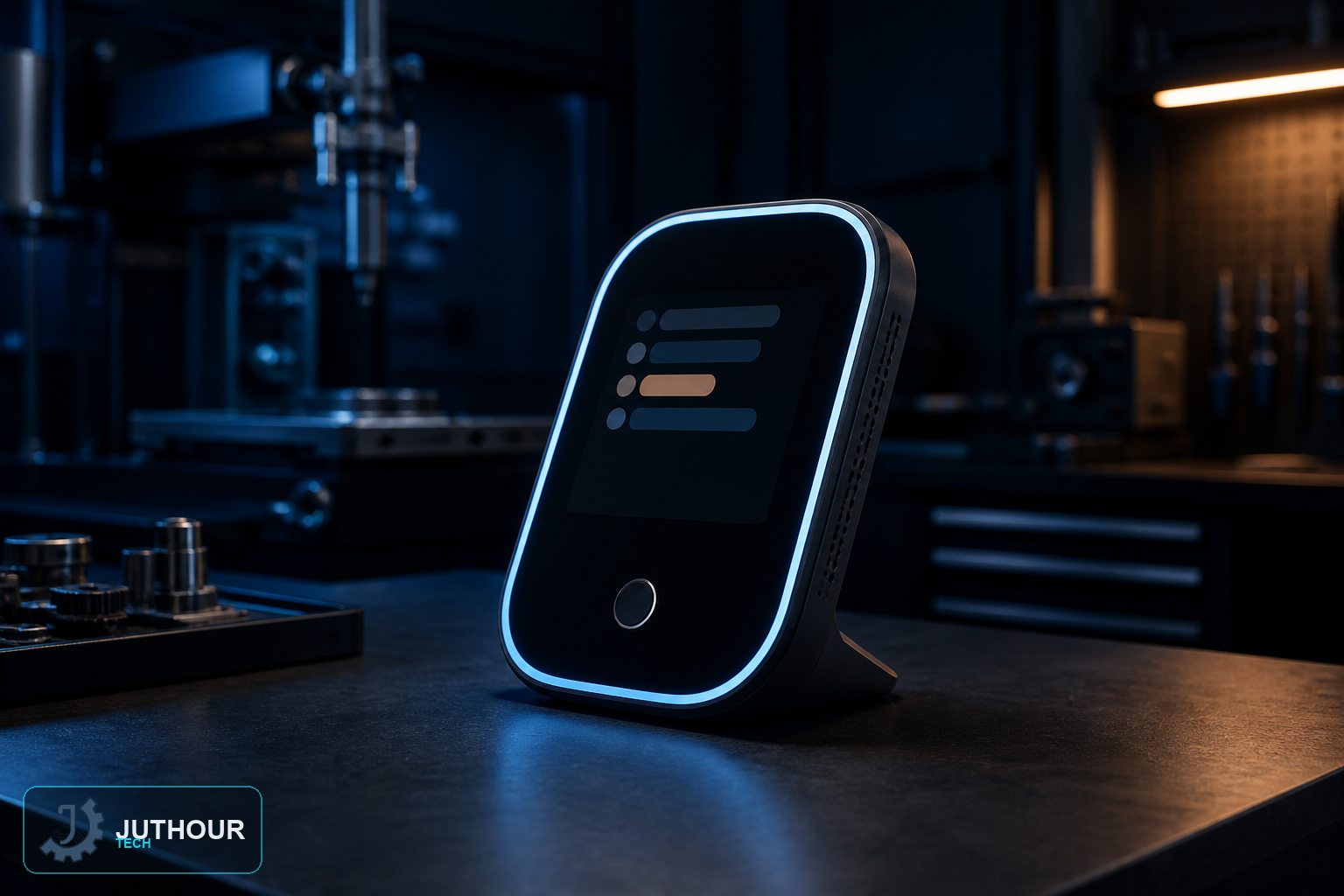
Create optional positive prompts with user-controlled wording and frequency, without presenting the device as mental-health treatment.
Prototype objective
This project focuses on measurement, state logic, feedback, and a low-voltage bench prototype that can be tested safely before any more advanced application is considered.
Suggested components
An Arduino Uno R3, a 16x2 I2C LCD (address 0x27), a 5V active buzzer, a push button, an 830-point breadboard, and jumper wires.
Wiring and implementation
The buzzer connects to pin 3, the button connects to pin 2, and the LCD uses I2C wiring at address 0x27, simplifying the connection to just two signal lines plus power.
Use a regulated supply and common ground, drive loads through suitable interface stages, add flyback protection for inductive loads, and condition logic levels where required.
Test plan
Make wording, frequency, brightness, and sound optional; test privacy, easy dismissal, and whether the prompts remain welcome over time.
Use limitations
Positive prompts are not mental-health treatment. Avoid coercive language, let the user control all content, and seek professional support for persistent distress.
Next step
Document the schematic, library versions, measurements, and failure cases before extending the prototype, and consult qualified specialists and applicable standards whenever safety, health, vehicles, or industrial equipment are involved.
Leave your comment