
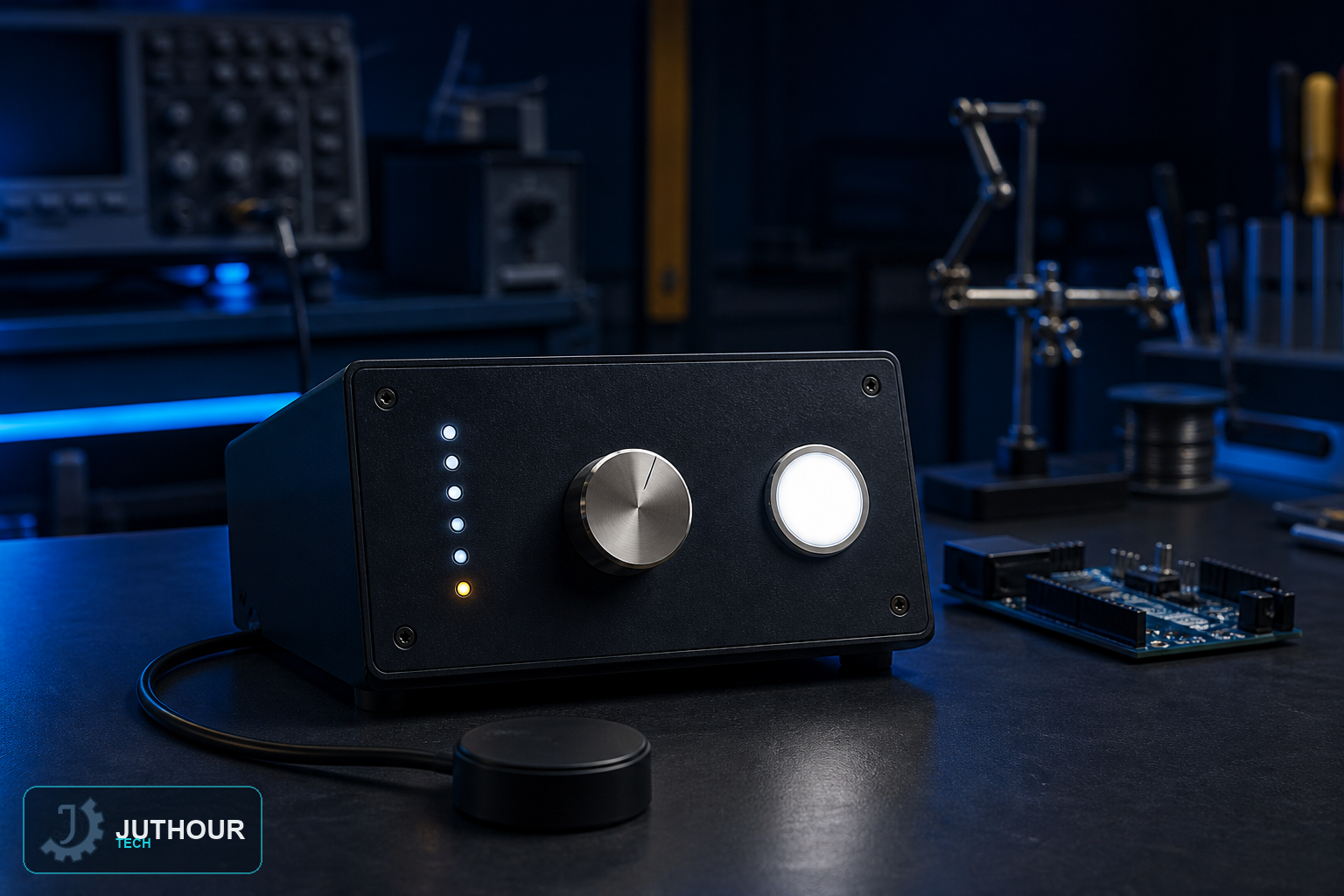
Co-design a predictable reminder with user-chosen cues, timing, wording, sensory levels, and easy control by the autistic person and caregivers.
Prototype objective
The project focuses on sensing, state logic, feedback, and a low-voltage bench prototype that can be tested safely. Define user requirements, success criteria, and failure cases before considering any real deployment.
Suggested components
An Arduino Uno R3, a DS3231 real-time clock module, an active buzzer, a yellow LED, an 830-point breadboard, and jumper wires.
Wiring and implementation
The DS3231 connects over I2C, the buzzer to pin 3, and the LED to pin 4.
Use a regulated supply and common ground, never drive loads directly from controller pins, and add current limiting, suitable interface stages, flyback protection for inductive loads, and logic-level conditioning as required.
Test plan
Test with consent using preferred visual, sound, or vibration cues; verify quiet periods, transitions, easy dismissal, schedule editing, power recovery, privacy, and sensory comfort.
Use limitations
Autistic people have diverse preferences. This is an optional support tool, not behavior control, treatment, or a substitute for person-centered planning and professional advice.
Next step
Document the schematic, library versions, calibration, measurements, and failure cases. Whenever the application involves safety, health, children, buildings, or equipment, use qualified specialists and applicable standards rather than relying on a hobby prototype.
اترك تعليقا